Hurricane Preparation Checklist for South Florida Homeowners
Published 2026-03-10 • 6 min read
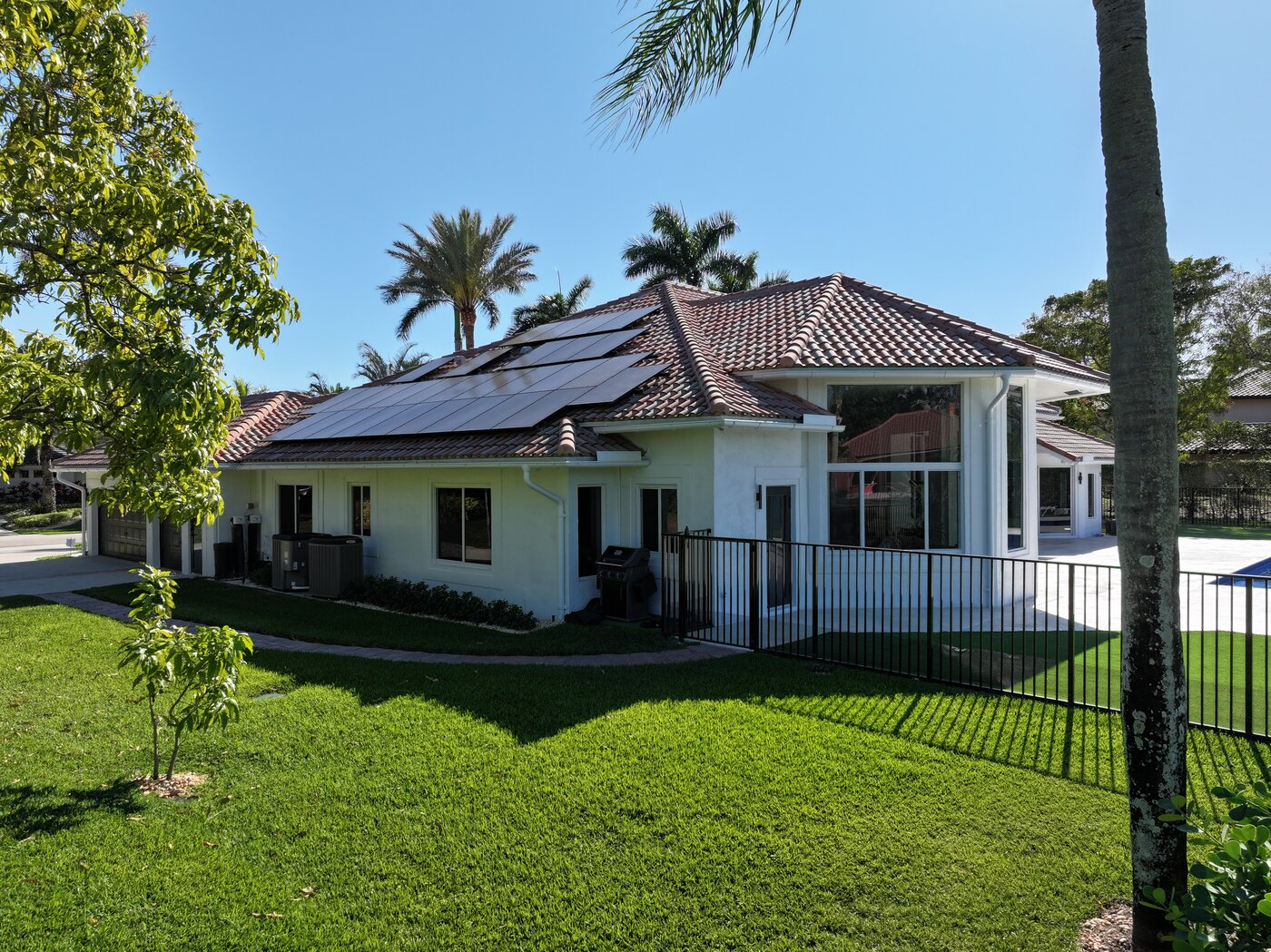
Living in South Florida means living with hurricanes. Whether you have been through many storms or just moved to the area, having a solid preparation plan is essential. This checklist covers what to do before hurricane season starts, what to handle when a storm threatens, and what steps to take after it passes.
Before Hurricane Season (June 1 - November 30)
The best time to prepare is before the season begins. Completing these tasks in the spring means you will not be scrambling with everyone else when the first tropical system forms.
- Inspect your roof: Look for missing or damaged shingles, cracked tiles, or any signs of wear. Address repairs before storm season. A compromised roof is the most common source of hurricane damage to homes.
- Check your windows and doors: If you have impact windows and doors, inspect the seals and weatherstripping for any degradation. If you rely on shutters, make sure every panel is accounted for, hardware is in good condition, and you know which panel goes where.
- Review your insurance policy: Read your policy carefully and understand what is covered, what your deductible is (Florida typically has a separate hurricane deductible that is a percentage of your home's insured value), and what documentation your insurer requires after a claim.
- Trim trees and landscaping: Remove dead branches and trim trees away from your roof and power lines. Overgrown trees become a serious hazard in high winds. Remove or trim any coconut palms, as coconuts become projectiles in hurricane-force winds.
- Check drainage: Clear your gutters, downspouts, and yard drains. Florida hurricanes bring enormous amounts of rain, and proper drainage prevents flooding around your foundation.
- Build or refresh your supply kit: Stock water (one gallon per person per day for at least three days), non-perishable food, medications, flashlights, batteries, a battery-powered radio, important documents in waterproof bags, and a first aid kit.
- Know your evacuation zone: Visit KnowYourZone.com or your county's emergency management website to find out if you are in an evacuation zone. Plan your evacuation route and identify where you would go.
When a Storm Is Forecast
Once a tropical system threatens South Florida, you typically have three to five days to prepare. Do not wait until the last minute.
- Secure outdoor items: Bring in patio furniture, grills, potted plants, toys, and anything else that can become airborne. If it cannot be brought inside, secure it with straps or tie-downs.
- Deploy your shutters (if applicable): If you rely on hurricane shutters rather than impact windows, deploy them for every opening. This is the most time-consuming task for many homeowners and should be done 24 to 48 hours before the storm's expected arrival.
- Fill bathtubs and containers with water: This provides backup water for flushing toilets and cleaning if the water supply is disrupted.
- Charge all devices: Fully charge phones, tablets, battery packs, and any rechargeable flashlights or lanterns. Consider filling your car's gas tank as well.
- Document your home's condition: Walk through your home and take photos or video of every room, your roof (from the ground), and your exterior. This documentation is invaluable for insurance claims if damage occurs.
- Set your refrigerator and freezer to the coldest settings: This helps keep food cold longer if you lose power.
- Withdraw cash: ATMs and card processing systems may be down for days after a major storm.
What Impact Windows Eliminate From Your Prep
Homeowners with impact windows and doors on every opening can skip the most labor-intensive part of hurricane preparation: boarding up. There are no shutters to deploy, no plywood to cut and carry, no hardware to install, and no help to recruit. Your home is protected the same way on a random Tuesday as it is when a Category 4 hurricane is approaching. For elderly homeowners, people with disabilities, or anyone who travels, this always-ready protection is invaluable.
After the Storm
Once the storm passes and authorities give the all-clear, take these steps:
- Check for safety hazards first: Look for downed power lines, standing water near electrical sources, gas leaks, or structural damage before entering your home. If anything seems unsafe, wait for professionals.
- Document damage immediately: Before cleaning up or making any repairs, photograph and video every bit of damage from multiple angles. This documentation is critical for your insurance claim.
- Contact your insurance company: File your claim as soon as possible. The sooner you are in the queue, the sooner an adjuster will be assigned to your claim.
- Get emergency tarping if needed: If your roof is damaged and the interior is exposed, get a tarp installed as soon as possible to prevent further water damage. Many roofing companies offer emergency tarping services after storms.
- Check your roof from ground level only: Do not climb onto your roof after a storm. Structural damage may not be visible, and wet surfaces are extremely dangerous. Use binoculars to inspect from the ground, or hire a professional to assess the damage.
- Avoid running generators indoors: Generator-related carbon monoxide poisoning is one of the leading causes of post-hurricane deaths. Always run generators outside, at least 20 feet from windows and doors.
Emergency Contacts
Save these numbers in your phone before you need them: your insurance company's claims line, your county emergency management office, Florida's disaster hotline (1-800-342-3557), and FEMA's helpline (1-800-621-3362). Having these ready before a storm saves valuable time during a stressful situation.
Ready to Protect Your Home?
Schedule a free in-home assessment with our team. No obligation, no pressure.
Schedule Free Assessment