The Complete Impact Window Buying Guide for Florida Homeowners
Published 2026-03-28 • 8 min read
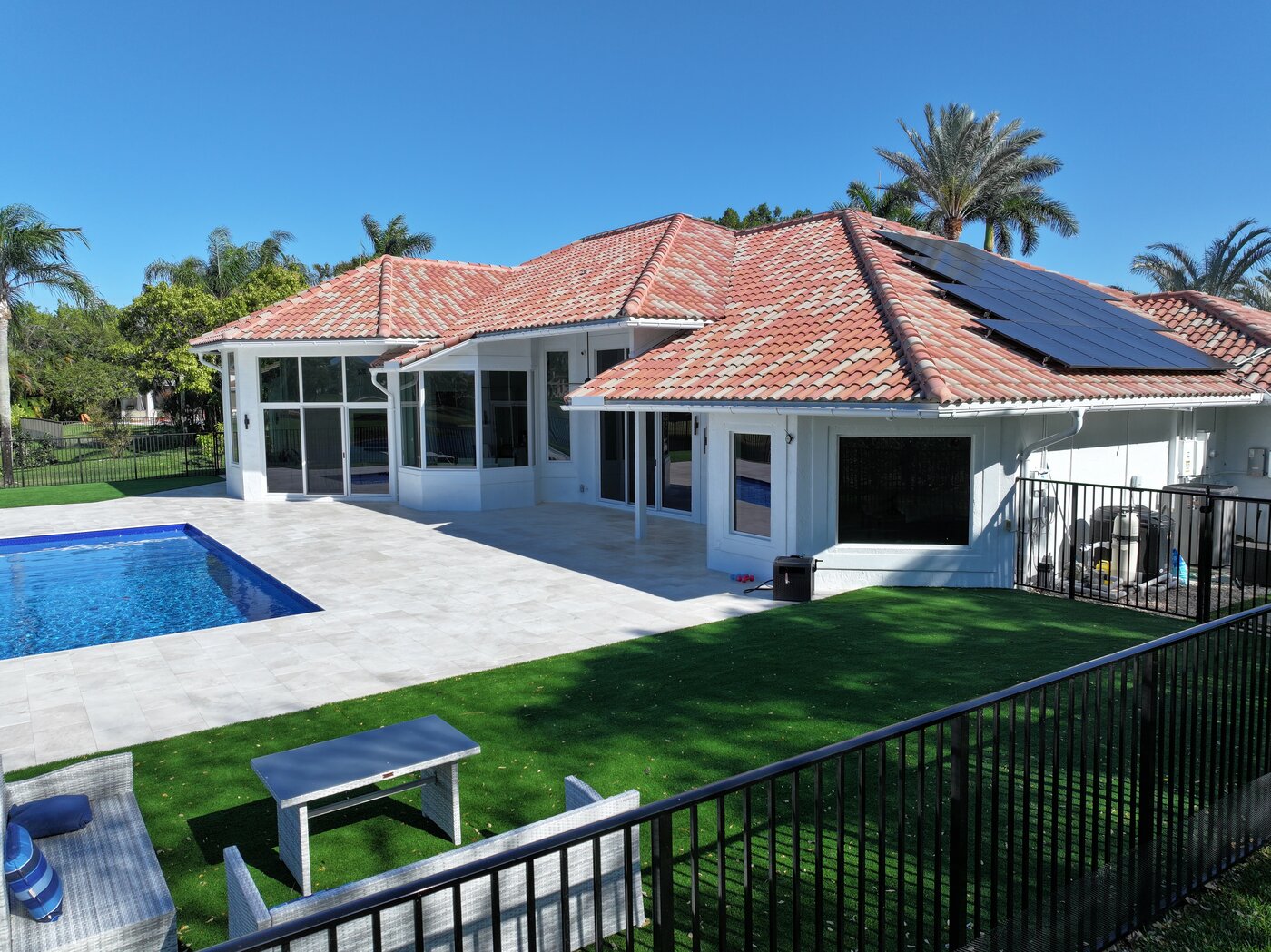
Buying impact windows is one of the biggest home improvement investments a Florida homeowner will make. The products, options, and terminology can be confusing, and the stakes are high since these windows need to protect your home during hurricanes. This comprehensive guide covers everything you need to know before making a decision.
Types of Impact Windows
Impact windows come in the same styles as regular windows, but with hurricane-rated construction. Here are the most common types you will encounter:
Single-hung windows are the most common style in Florida homes. The bottom sash slides up to open while the top sash stays fixed. They are reliable, affordable, and provide good ventilation. This is the workhorse of the impact window world and the best value for most bedrooms, bathrooms, and standard openings.
Double-hung windows have both the top and bottom sash operable. This allows for better ventilation since you can open the top for hot air to escape while cooler air enters from the bottom. They cost a bit more than single-hung but offer more flexibility.
Casement windows use a crank mechanism to swing outward. They provide excellent ventilation because the entire window opens, and they seal very tightly when closed. Casements are popular for kitchens, above sinks, and in areas where you want maximum airflow.
Sliding windows feature one or more panels that slide horizontally. They are ideal for wide openings and are commonly used in Florida rooms, sunrooms, and areas where a vertically operating window would be impractical. Sliding glass doors follow the same principle on a larger scale.
Picture windows are fixed (non-operable) windows designed for views and natural light. Since they do not open, they tend to be the most affordable impact option per square foot and provide the best seal against air and water. They are commonly used for large living room windows or combined with operable windows on either side.
Awning windows hinge at the top and swing outward from the bottom. They are great for ventilation during rain because water runs off the open sash rather than entering the home. Awning windows are often placed higher on walls or combined with picture windows.
Glass Options
All impact windows use laminated glass, but there are several options that affect performance, energy efficiency, and cost:
Standard laminated glass consists of two layers of glass bonded to a PVB (polyvinyl butyral) or SGP (SentryGlas Plus) interlayer. This construction meets the Large Missile Impact test and is the baseline for all impact windows. SGP interlayers are stronger and more rigid than PVB, offering better post-impact performance.
Low-E (low-emissivity) coatings are microscopically thin metallic layers applied to the glass that reflect infrared heat while allowing visible light through. In South Florida, Low-E coatings dramatically reduce the amount of solar heat entering your home, which lowers air conditioning costs. The coating is invisible to the eye and does not affect the view. Low-E is highly recommended for South Florida homes and often pays for itself through energy savings within a few years.
Tinted glass reduces glare and solar heat gain. Gray, bronze, and green tints are the most common options. Tinting is particularly useful for west-facing windows that get intense afternoon sun.
Insulated glass units (IGUs) feature two panes of laminated glass separated by a sealed air or argon gas gap. This construction provides superior thermal insulation and noise reduction. IGUs are the premium option and deliver the best energy efficiency and sound dampening available.
Frame Materials
The frame material affects durability, thermal performance, maintenance requirements, and cost. Here are your options for the South Florida climate:
Aluminum frames are the most common choice in Florida. They are strong, lightweight, resistant to corrosion (when properly anodized or coated), and affordable. Aluminum handles the salt air and humidity of coastal Florida well. The main drawback is that aluminum conducts heat, which makes it less energy-efficient than other frame materials. However, modern aluminum frames often include thermal breaks that improve their insulation performance.
Vinyl frames offer excellent thermal insulation since vinyl does not conduct heat the way aluminum does. They require no painting and resist moisture well. Quality vinyl frames are a good choice for energy-conscious homeowners. Make sure to choose a vinyl rated for Florida's UV exposure, as lower-quality vinyl can yellow or become brittle over time in intense sunlight.
Composite frames combine wood fibers with polymer resins to create a frame that looks and feels like wood but resists moisture, insects, and rot. Composites offer excellent thermal performance and aesthetics. They are the most expensive option but deliver the best combination of beauty and durability.
Ratings to Look For
When comparing impact windows, pay attention to these certifications and ratings:
- Large Missile Impact (ASTM E1996): All impact windows sold in Florida must pass this test. It involves firing a 9-pound piece of 2x4 lumber at the glass at 34 mph. The window must not be penetrated, and a subsequent pressure cycling test confirms the window maintains its structural integrity.
- Design Pressure (DP) rating: This number indicates the wind load the window can withstand. Higher DP ratings mean greater wind resistance. In South Florida, you will typically need windows rated DP40 to DP50 or higher, depending on your specific location and building height.
- Energy Star certification: Windows meeting the EPA's energy efficiency standards for your climate zone earn the Energy Star label. This is particularly relevant for qualifying for energy-related rebates and credits.
- Miami-Dade NOA (Notice of Acceptance): For homes in the HVHZ (High Velocity Hurricane Zone), windows must hold a current Miami-Dade NOA. This is the most stringent product approval in the country and is your assurance that the product has been thoroughly tested.
Questions to Ask Your Installer
Before signing a contract, ask these essential questions:
- What is your license number? Verify the contractor holds a valid Florida contractor's license. You can check any license at the Florida DBPR website.
- Do you carry liability insurance and workers' compensation? Ask for a certificate of insurance. This protects you if something goes wrong during installation.
- What warranty do you offer? Understand both the manufacturer's product warranty and the installer's labor warranty. A quality installer stands behind their work for years.
- Do you use in-house installation crews or subcontractors? In-house crews typically deliver more consistent quality because they are trained and managed by the company you hired.
- Do you handle the permit process? All window replacements in Florida require permits. A reputable installer pulls the permit, schedules inspections, and handles all code compliance.
- What is the project timeline? Understand how long manufacturing takes (typically 4 to 8 weeks for custom windows) and how long installation will take once the windows arrive.
Red Flags to Watch For
Be cautious of any installer who offers to skip the permit, provides a quote without measuring your windows, demands full payment upfront, pressures you with "today only" pricing, or cannot provide references from recent local projects. A trustworthy company will welcome your questions and give you time to make an informed decision.
Ready to Protect Your Home?
Schedule a free in-home assessment with our team. No obligation, no pressure.
Schedule Free Assessment